7 Surprising Facts That Will Change Your Perspective on Tulips
Posted on 22/08/2025
7 Surprising Facts That Will Change Your Perspective on Tulips
Tulips, with their vibrant colors and elegant cup-shaped blooms, are often regarded simply as stunning springtime flowers. However, there's so much more to these iconic blossoms than meets the eye. Whether you are a passionate gardener, a flower enthusiast, or someone intrigued by history and culture, learning more about tulips promises to shift your understanding. Get ready to discover 7 surprising facts about tulips that will change your perspective forever!
1. Tulips Triggered One of the First Economic Bubbles
Many people admire tulips for their beauty, but *few know* about their role in shaping economic history. During the 17th century, the Netherlands witnessed what historians call The Tulip Mania. This was one of the world's first recorded speculative bubbles, and it revolved entirely around the buying and selling of tulip bulbs.
How Did Tulip Mania Occur?
- Rare tulip varieties became status symbols among wealthy Dutch citizens.
- Demand vastly outpaced supply, causing bulb prices to skyrocket.
- At the height of the bubble, single tulip bulbs were sold for more than the price of luxury homes!
- In 1637, the market crashed, leaving numerous investors bankrupt.
This fascinating episode in global finance highlights the unimaginable influence of tulips and leaves us pondering how such a simple flower could shape an entire economy.

2. From the Mountains of Central Asia to Global Icon
One of the most surprising facts about tulips is their true origin. Despite their strong association with the Netherlands, *tulips are not originally Dutch*.
Where Do Tulips Come From?
Tulip species are native to the rugged mountains of Central Asia, particularly in present-day Kazakhstan, Uzbekistan, and surrounding regions. Wild tulips grew in harsh, rocky environments, where their vivid colors helped attract pollinators.
- Turkish sultans adored tulips, making them a symbol of wealth and power in the Ottoman Empire.
- Ottomans introduced tulips to Europe in the 16th century through diplomatic gifts.
- The flower's exotic beauty eventually captivated the Dutch, leading to the widespread cultivation that continues today.
This global journey from remote mountains to European gardens is a testament to the enduring appeal and adaptability of the tulip.
3. Tulips Come in Virtually Every Color--Except Blue!
If you love variety in your garden, tulips offer nearly endless options. These flowers are cultivated in a kaleidoscope of colors, from brilliant reds and delicate pinks to sunshine yellows and rich purples. There's just one hue that eludes horticulturists: true blue.
Why No True Blue Tulips?
- The blue pigment required for pure blue coloring does not naturally exist in tulip genetics.
- Despite extensive breeding efforts, the blue tulips available today are only blue-toned purples or violets.
- This unique challenge continues to inspire scientists and breeders worldwide.
Fun Fact: If you ever come across a bouquet of bright blue tulips, chances are the petals were dyed or tinted artificially.
4. Tulips Have Deep Symbolic Meanings
Much like roses, tulips carry profound symbolic meanings that vary depending on color and cultural context. These meanings have inspired artists, writers, and gardeners for centuries.
What Do Tulips Symbolize?
- Red tulips: Deep love, romance, and passion.
- Yellow tulips: Cheerfulness, friendship, and hope.
- White tulips: Purity, forgiveness, and new beginnings.
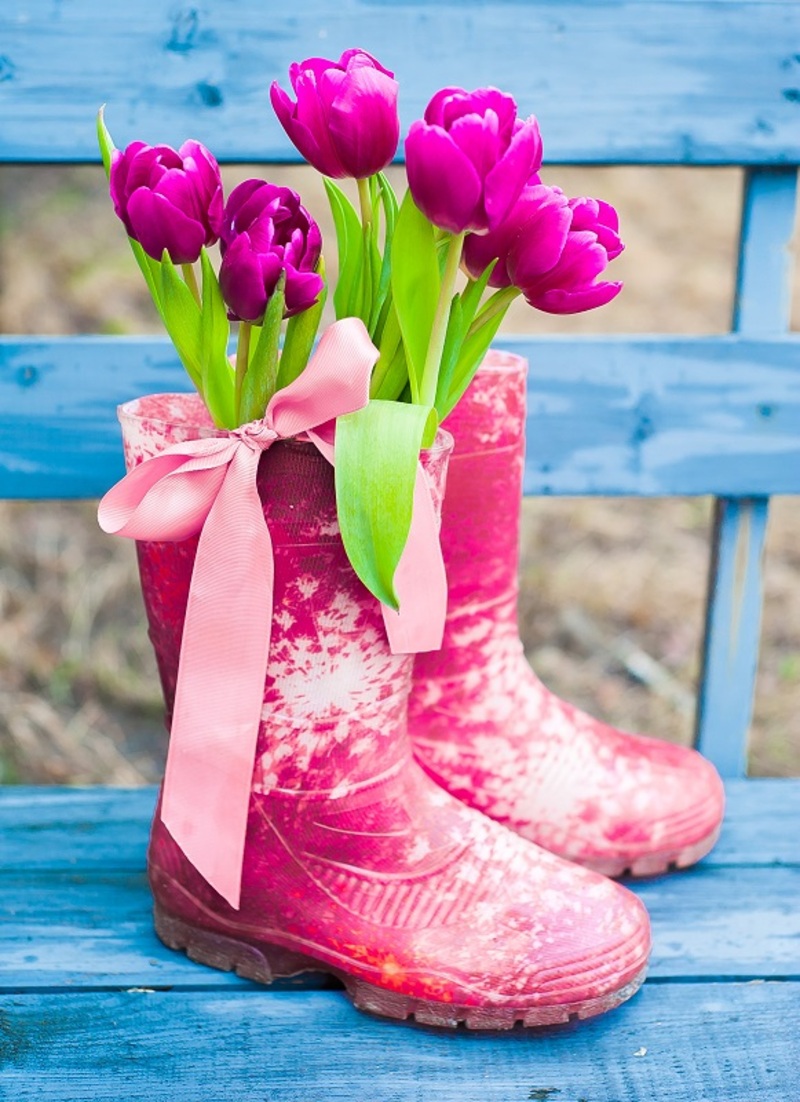
- Purple tulips: Royalty, elegance, and admiration.
- Mixed colors: Grace and versatility.
Throughout history, tulips have featured in art, literature, and celebrations as symbols of beauty, transience, and transformation. In Persia, tulips even represented eternal life in poetry and folklore.
5. Tulip Bulbs Were Once Used as Food
During periods of hardship, especially World War II, tulip bulbs became a crucial food source in the Netherlands. Facing famine and food shortages, people turned to what was available--the bulbs beneath their flower beds.
Were Tulip Bulbs Safe to Eat?
- Tulip bulbs are edible if properly prepared, but they contain compounds that can be toxic in large amounts.
- They were often cooked or ground into flour to make bread substitutes.
- Although not tasty and sometimes causing stomach upset, tulip bulbs helped many Dutch families survive the "Hunger Winter."
This remarkable chapter highlights the resilience and resourcefulness of people in times of crisis--and adds another layer to the tulip's fascinating history.
6. Tulips Are Scientific Marvels
Did you know tulips are a fascinating case study for botanists? These flowers are renowned not only for their beauty, but for their biological quirks and adaptations.
Unique Scientific Features of Tulips
- Temperature Sensitivity: Tulip petals open and close in response to changes in light and temperature. This maximizes pollination and protects against harsh conditions.
- Growth Cycle: Unlike many plants, tulips require a period of cold dormancy ("vernalization") to bloom. This adaptive trait hails from their mountainous origins.
- Genetic Diversity: With over 3,000 registered varieties, tulips offer an extraordinary playground for genetic research and cross-breeding efforts.
These scientific marvels make tulips not only a favorite among gardeners but also among plant scientists worldwide.
7. The World's Largest Tulip Festival is Not in the Netherlands
When people think of tulip celebrations, the Dutch Keukenhof Gardens often come to mind. However, the largest tulip festival on earth is actually held in Canada!
About the Canadian Tulip Festival
- Held annually in Ottawa, the Canadian Tulip Festival showcases over one million tulips across parks and public spaces.
- The festival began as a token of gratitude. In World War II, the Dutch royal family gifted Canada tulip bulbs for sheltering Princess Juliana during Nazi occupation.
- Today, this event draws hundreds of thousands of visitors each spring, highlighting the strong ties between the two nations.
Ottawa's tulip bloom transforms the city with rivers of color, celebrating friendship, remembrance, and cultural exchange.
Frequently Asked Questions about Tulips
Are tulips easy to grow?
Yes! Tulips are among the most resilient and beginner-friendly bulbs. Plant them in autumn in well-drained soil and watch them bloom gloriously in spring. However, pay attention to cold-weather requirements for best results.
How long do tulip flowers last?
The average bloom time for tulips is about 1-2 weeks. Factors such as variety, climate, and care can affect longevity. For prolonged displays, plant varieties with staggered bloom times.
Can tulips be grown indoors?
Absolutely! With proper "forcing," you can enjoy tulip blooms inside your home even during the winter months. Simply chill bulbs for several weeks before potting and bringing them indoors.
What are some popular tulip varieties?
- Darwin Hybrid Tulips: Known for their stunning size and bright colors.
- Triumph Tulips: Versatile and come in a wide range of hues.
- Parrot Tulips: Exotic, ruffled petals reminiscent of parrot feathers.
- Double Tulips: Lush, peony-like flowers with extra petals.
Conclusion: A New Appreciation for Tulips
Tulips are far more than just pretty garden inhabitants. From revolutionizing economies and providing wartime sustenance to spanning continents and inspiring world-renowned festivals, these amazing flowers carry a legacy rich in history, science, and symbolism. Each bloom embodies resilience, cultural transformation, and timeless allure.
With these seven surprising facts about tulips, we hope you see these iconic spring flowers in a fresh, more profound light. Whether you're planting a few bulbs or admiring tulip festivals from afar, you're joining a centuries-old story that continues to captivate and inspire the world.
Let the vibrant spirit of tulips change your perspective and brighten your days!
Latest Posts
Embrace Serenity: Discover Low Maintenance Office Plants
7 Surprising Facts That Will Change Your Perspective on Tulips
Exploring the Symbolism Behind Peony Flowers' Vibrant Colors